


25 Mar Advances in Cardiac Ultrasound: What Physicians Should Know in 2026
Echocardiography remains one of the most powerful diagnostic tools in cardiology, and the past several years have brought a wave of technological advances that are making it more accessible, more accurate, and more efficient than ever. For physicians ordering cardiac ultrasound exams — or considering bringing the service in-house — understanding these developments can inform better clinical decisions and better patient conversations.
Portable Imaging That Rivals the Cath Lab
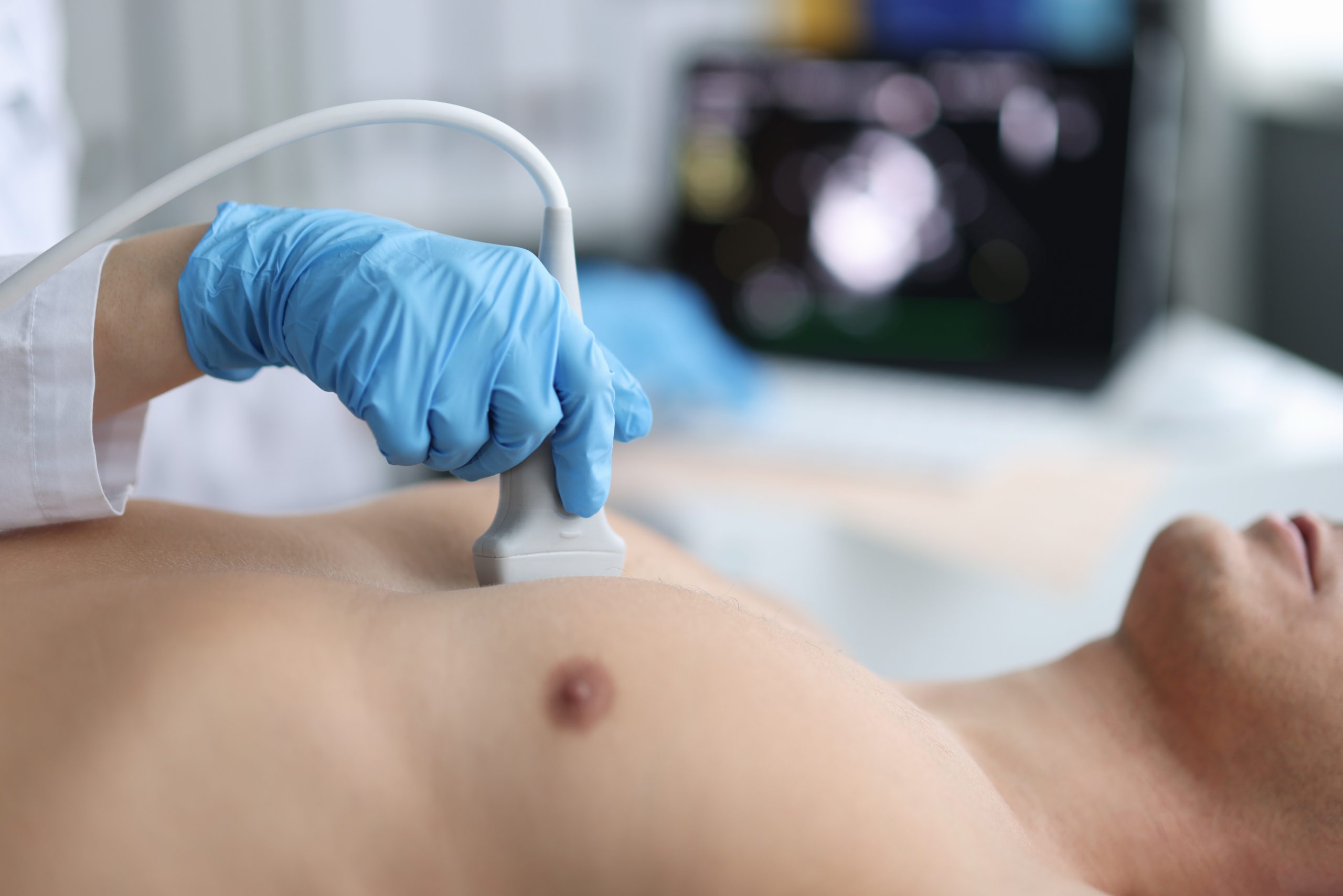
Modern portable ultrasound systems now deliver image quality that, just a decade ago, was only achievable with full-size hospital equipment. High-frequency phased-array transducers, advanced beam-forming algorithms, harmonic imaging, and improved signal processing produce detailed views of cardiac anatomy and function from a mobile platform that can be set up in any exam room. For practices that historically referred patients to a hospital echo lab, this changes the equation entirely.
Strain Imaging Becomes Routine
Speckle-tracking echocardiography and global longitudinal strain measurements have moved from research settings into everyday clinical practice. These techniques detect subtle changes in myocardial function before traditional measures such as ejection fraction show any abnormality — making them particularly valuable for monitoring patients on cardiotoxic chemotherapy, screening for early cardiomyopathy, and refining heart failure risk assessment.
3D and 4D Echocardiography
Real-time three-dimensional echocardiography provides more accurate volumetric assessment of cardiac chambers, more reliable mitral valve evaluation, and better surgical planning for structural heart disease. While not yet routine in every practice, the technology is increasingly available on mid-range portable systems and is being adopted by interventional and structural cardiology teams.
AI-Assisted Measurement and Interpretation
Artificial intelligence is beginning to play a meaningful role in echocardiographic workflow. AI-powered tools can automatically identify cardiac views, measure chamber dimensions, calculate ejection fraction, and flag potential abnormalities — reducing inter-reader variability and accelerating reporting. These tools augment rather than replace the sonographer and reading physician, but they free up clinician time for the most clinically important cases.
Contrast and Stress Echo Improvements
Advances in contrast agents and harmonic imaging have made contrast-enhanced echocardiography safer and more diagnostic, particularly for patients with poor acoustic windows. Stress echo protocols have also become more efficient, with faster acquisition and improved off-axis imaging making the test more tolerable for patients.
What This Means for Your Practice
Physicians who offer on-site echocardiography — whether transthoracic studies, vascular and arterial work, or follow-up imaging for known disease — benefit from faster clinical decision-making, improved patient compliance, and additional revenue capture. With a credentialed mobile sonography team and modern equipment, these advanced capabilities are available without any capital investment from the practice.
Explore the full range of diagnostic ultrasound services available through Viason, or reach out to discuss how echocardiography could fit into your office.